Assembly stations
Compare lowered and raised platform height with the workstation and load. Describe fixtures, overhang and access to all sides.
Match lift tables, pallet positioners and workstation storage to the flow of your production line.
Access · Material handling · Storage · Custom configurations
The work comes first
Equipment selection becomes clearer when each transfer is described: where a load arrives, how operators reach it and where it goes next. Build a production brief around those handoffs and the documented limits of each model.
Compare lowered and raised platform height with the workstation and load. Describe fixtures, overhang and access to all sides.
Evaluate pallet positioners and turntables using pallet size, changing load weight and the way parts are removed.
For containers and bins, document the opening, orientation and restraint needed before evaluating a tilting configuration.
Organize tooling and consumables with shelf layouts, cabinet dimensions and the required access controls.
Look beyond the capacity rating
Use these application questions to define the configuration, operating space and supporting documentation you need to review.
Describe the load at the beginning and end of the operation, including fixtures and attachments. Compare platform dimensions, lowered height and required working height together. State the expected cycle pattern so the supplier can review the operating arrangement rather than selecting only by maximum rated capacity.
Explain how material arrives at the workstation and leaves it. Pallet type, conveyors, transfer direction and available approach space affect the handling interface. Document each transfer point before choosing forks, a platform or an accessory arrangement.
Include tooling storage, maintenance access and cleaning requirements in the same project brief. A workstation that works for one part may need a separate review for a larger or differently balanced load. Request current drawings when fixtures or production equipment create a tight clearance.
Build a useful specification
A complete brief makes it easier to compare documented model limits and identify where a custom configuration is needed.
Start your manufacturing request ↗Explore the catalog
These are starting points for comparison. Suitability depends on the specific model, intended use and site requirements.
Equipment details
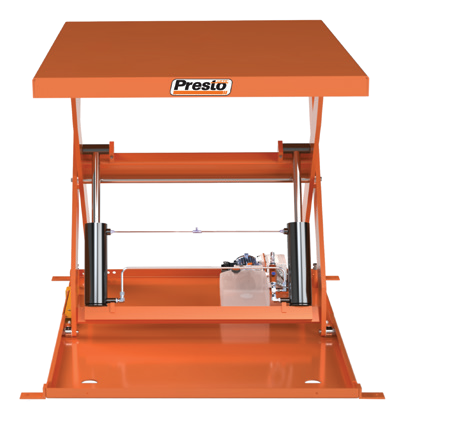
XL stationary hydraulic tables cover multiple travel and capacity groups, with model-specific limits for enlarged platforms.
Equipment details
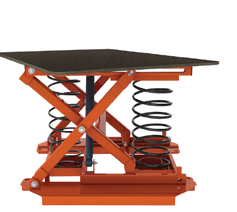
P3 All-Around levelers adjust pallet working height through airbag or spring action as cartons are loaded and removed, with a rotating top for access.
Equipment details
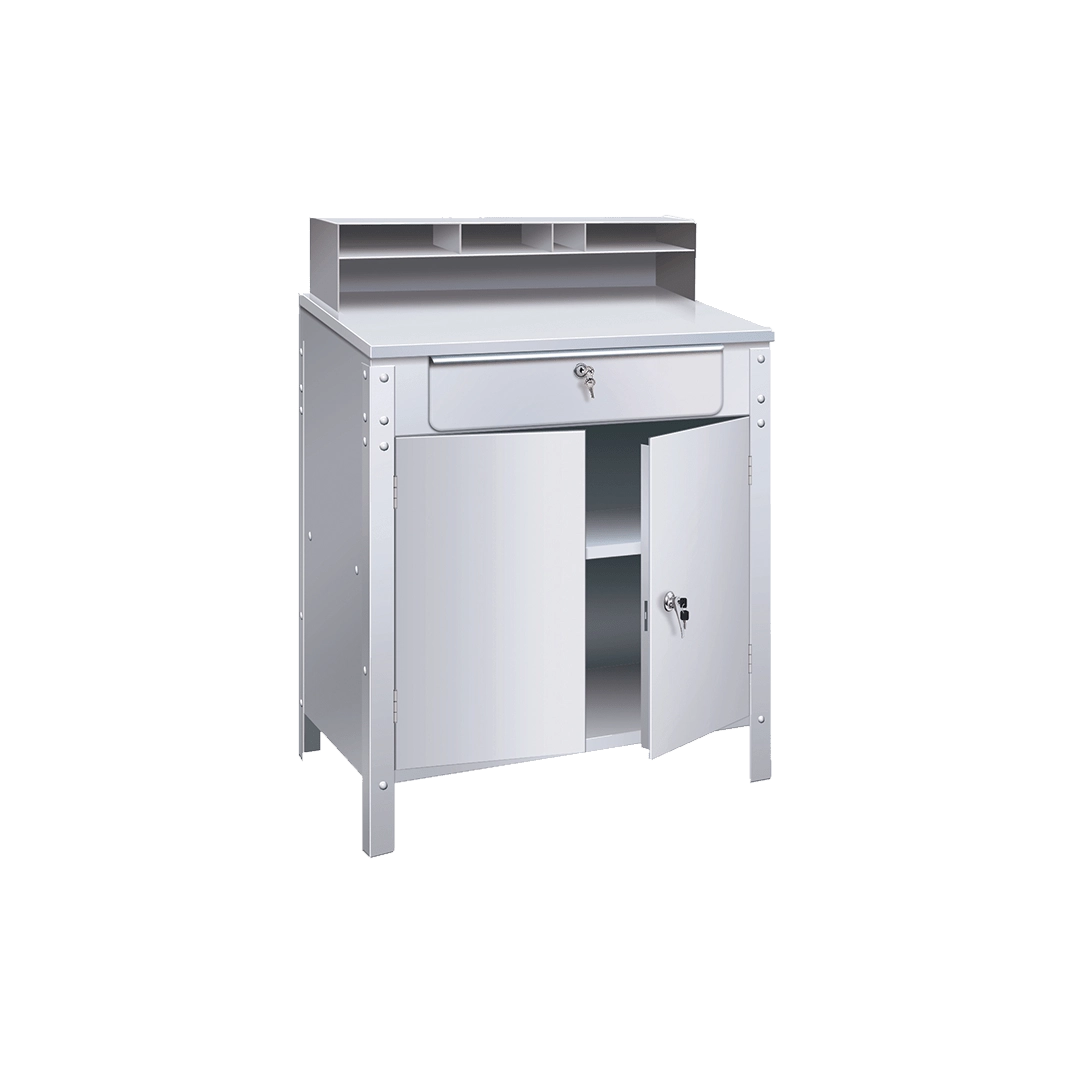
Organize shop records and supplies with a slanted writing surface, four-compartment organizer, locking drawer, and double-door cabinet base.
Before you request a quote
A lift table provides specified vertical travel; a pallet positioner addresses a particular loading and unloading arrangement. Compare the actual models with the task, load and required height range.
Send the fixture drawing and combined load details for review. Platform extensions, restraints and other changes require a configuration-specific quote.
Put your project in motion
Send your requirements using the form. Our team will review your request and respond as quickly as possible.