Pallet movement
Document pallet construction and fork-entry geometry before comparing straddle and fork-over stackers.
Plan pallet movement, receiving transfers and order-picking access with aisle and load dimensions in view.
Access · Material handling · Storage · Custom configurations
The work comes first
A warehouse purchase has to fit both the load and its journey. Compare the loading point, storage location and operating route so a capacity match does not hide a clearance mismatch.
Document pallet construction and fork-entry geometry before comparing straddle and fork-over stackers.
Review platform range and pallet access for repetitive packing or unpacking stations.
Describe truck-bed height, level changes and loading method for a dock-lift review.
Compare rolling-ladder footprint and standing height with shelving and available aisle space.
Look beyond the capacity rating
Use these application questions to define the configuration, operating space and supporting documentation you need to review.
Provide pallet and package dimensions, load weight and how deliveries arrive. Identify truck unloading arrangements, dock conditions and temporary staging space. Compare the intended load with the equipment’s documented capacity and load-center requirements rather than treating every pallet as equivalent.
Measure the complete travel route, turns, thresholds and approach to storage or work areas. Include pallet openings and fork requirements when reviewing stackers or trucks. Consider the operating footprint with the load in place, not just the equipment’s stored dimensions.
Describe whether the task requires personnel access, material positioning or both. Keep those uses separate in equipment selection. Include item weight, picking height, frequency and the way cartons or parts are transferred so the right equipment family can be reviewed.
Build a useful specification
A complete brief makes it easier to compare documented model limits and identify where a custom configuration is needed.
Start your warehousing & distribution request ↗Explore the catalog
These are starting points for comparison. Suitability depends on the specific model, intended use and site requirements.
Equipment details
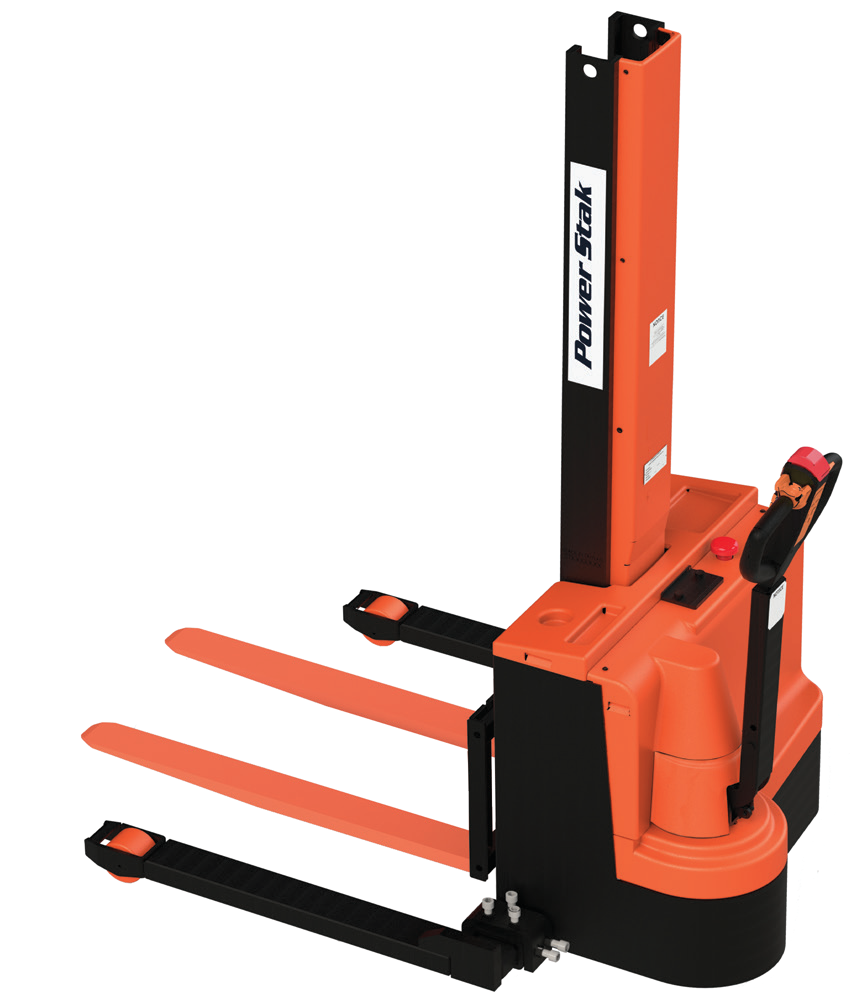
PPS2600 straddle stackers combine powered travel and lifting with adjustable base legs and forged forks.
Equipment details
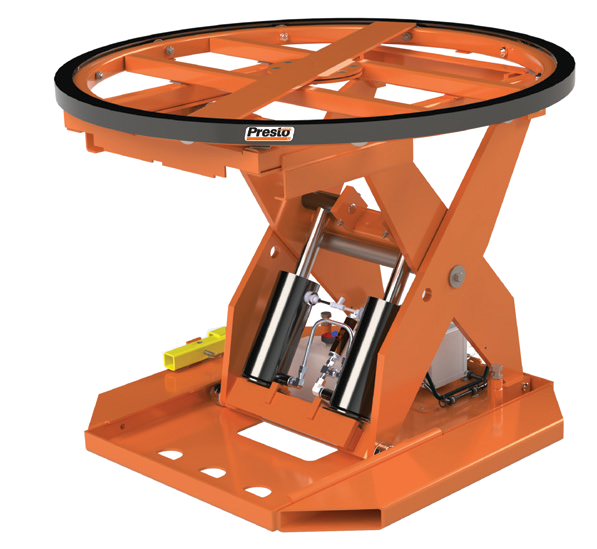
P3PH units combine controlled hydraulic elevation and a turntable for pallets whose weight or dimensions vary during handling.
Equipment details
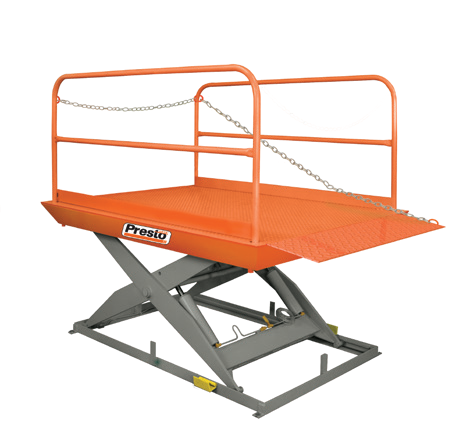
PDL lifts provide permanent pit- or pad-mounted freight transfer between loading elevations, in standard- and heavy-duty groups.
Before you request a quote
No. Compare the pallet underside, fork dimensions, load arrangement and operating limits of the selected stacker as well as its capacity.
Include both transfer heights, platform dimensions, load, traffic type and installation layout. Explain how the freight reaches and leaves the platform.
Put your project in motion
Send your requirements using the form. Our team will review your request and respond as quickly as possible.